





How Thousands of Hours of Patient Education Transformed My Practice

Written by: Dr. Brian Hatten, M.D. | Board-Certified Orthopedic Surgeon | Last Updated: April 4, 2026
Rated 4.8 out of 5 stars · 312 verified patient reviews (Healthgrades)
From Educating to Listening
In 2012, I began what would become a three-year commitment to patient education. I fit thousands of hours of work into nights, weekends, and every spare moment while maintaining my full-time surgical practice.
In January 2012, I started developing My Knee Guide, a comprehensive patient education platform. Two months later, in March 2012, I began volunteering as "Orthodoc" on BoneSmart.org, the world's largest joint replacement patient forum. BoneSmart is operated by the Foundation for the Advancement in Research in Medicine (FARM), a registered 501(c)(3) nonprofit organization dedicated to orthopedic patient education and advocacy. What I didn't expect was how my time on BoneSmart would transform my understanding of the patient experience.
On BoneSmart, I contributed 648 posts as "Orthodoc," a role that evolved into a volunteer staff position as I became part of the community. I answered questions from patients I'd never meet and would never be paid to treat. Because I was anonymous to the members, the conversations weren't about me. They were about the patients and their experiences. Over four years, I came to know many members well. I shared in their fears, their recoveries, their setbacks, their victories. I became a better listener.
I also learned from the moderators and volunteers who ran the forum. They created a safe, welcoming, and encouraging environment for every patient who joined. They were some of the most compassionate and dedicated people I've encountered. They modeled what patient-centered care looks like in practice: meeting people where they are, answering the questions they're actually asking, and never talking down to someone facing a major health decision. That philosophy shaped everything I do today.
That philosophy guided how I built My Knee Guide. I personally wrote every piece of medical content: over 60 comprehensive articles covering every aspect of knee replacement. I used Photoshop to create unique x-ray animations for six patient cases, spending weeks on each to animate real patient x-rays showing the progression from arthritis through surgery. I produced educational videos, designed custom graphics, and collaborated with developers on both the iPhone app and website.
Creating My Knee Guide was not about marketing myself. When I began the project, there simply wasn't good online patient education created by an orthopedic surgeon to help patient navigate knee arthritis and knee replacement surgery. I built My Knee Guide because I believe patients deserve comprehensive, transparent information from someone who actually performs these surgeries, regardless of whether they ever become my patient.
Those three years taught me that patients don't just need technical excellence in the operating room. They need a surgeon who treats them as an informed partner in their care, who explains rather than dictates, who listens rather than dismisses.
This commitment extended to medication safety as well. After knee replacement, patients are commonly prescribed pain medications that contain acetaminophen. Medicines like Lortab, Percocet, Vicodin, Norco, and Ultracet also contain acetaminophen. What many patients don't realize is that they may also be taking over-the-counter products containing acetaminophen at the same time, putting them at risk of exceeding the 4,000 mg daily maximum without knowing it. Because I prescribe these medications to my own patients, I felt a responsibility to address this directly. In 2016, My Knee Guide partnered with the Acetaminophen Awareness Coalition's Know Your Dose campaign to provide dedicated education on safe acetaminophen use after knee replacement surgery.
Since its launch, My Knee Guide has been independently cited, evaluated, or utilized in 12 peer-reviewed studies and academic clinical reviews conducted by researchers and clinicians across four continents. An NIH-funded randomized controlled trial selected the platform as its clinical baseline. A systematic quality assessment ranked it the highest-rated joint replacement app in the world. The premier journal for sports medicine featured it as clinical guidance for returning athletes to activity. And in 2024, a government-supported health evaluation service in New Zealand conducted a structured clinical review and affirmed the platform's utility for an international patient population. These independent validations, spanning institutions across the United States, United Kingdom, Ireland, Australia, Austria, Germany, India, Spain, Switzerland, Belgium, and New Zealand, reflect the platform's role as a globally recognized resource for patient education in knee replacement surgery. A complete list of these studies with links to each publication can be found in the My Knee Guide in the Literature section at the end of this article.
From Teaching Patients to Teaching Surgeons
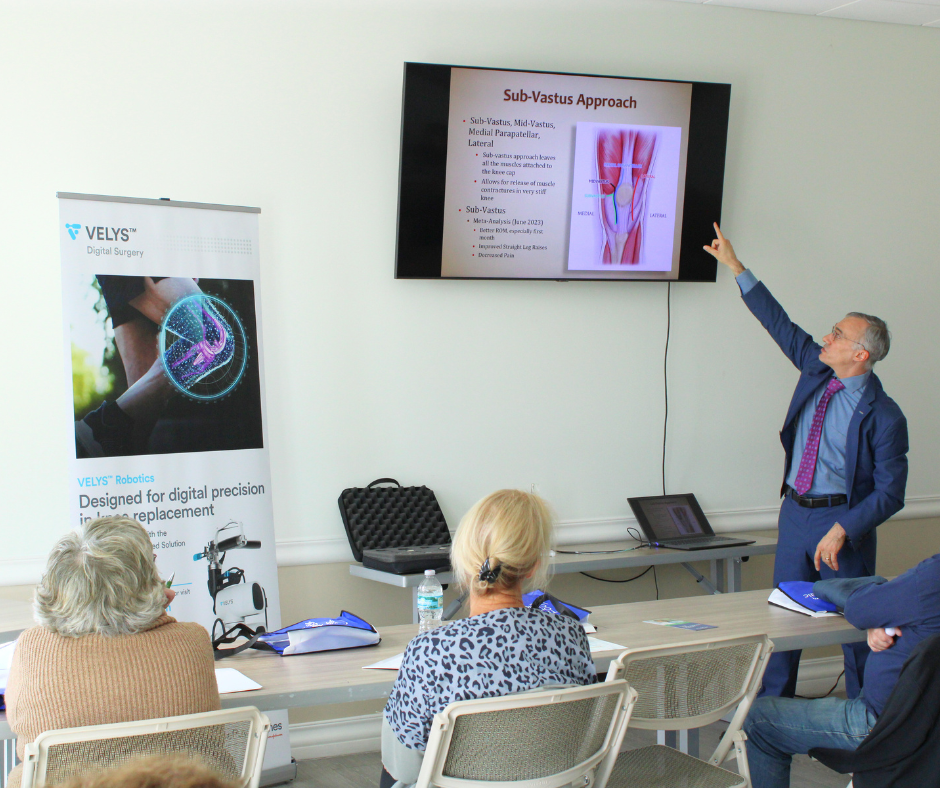
This commitment to patient education now shapes how I teach fellow surgeons with hands-on training in the operating room, and at national conferences. I also routinely collaborate with other surgeons on the Depuy Synthes (Johnson & Johnson MedTech) VELYS Community on DocMatter1, a peer-to-peer medical collaboration platform where orthopedic surgeons share clinical insights and techniques . I spend time in the VELYS Community the same way I once spent time on BoneSmart. I ask questions, answer them, troubleshoot challenges, and learn alongside peers who are refining these techniques in their own practices. This kind of transparent, evidence-based teaching that defined my career when I answered patient questions on BoneSmart, when I created educational content for My Knee Guide, and now when I demonstrate surgical techniques to fellow surgeons. The commitment remains the same: share what works, follow the evidence, and help people make informed decisions.
In January 2026, I had the privilege to co-present a 60-minute surgical demonstration, alongside fellow kinematic alignment specialist Dr. Josh Lindsey. I guided surgeons nationwide through the subvastus approach2. We then demonstrated and discussed a complete VELYS robotic-assisted with kinematically aligned total knee replacement. The recording of this session, Robotic-Assisted Kinematic Alignment Total Knee Arthroplasty using a Subvastus Approach, is published on VuMedi13, a peer-to-peer education platform restricted to credentialed clinicians.
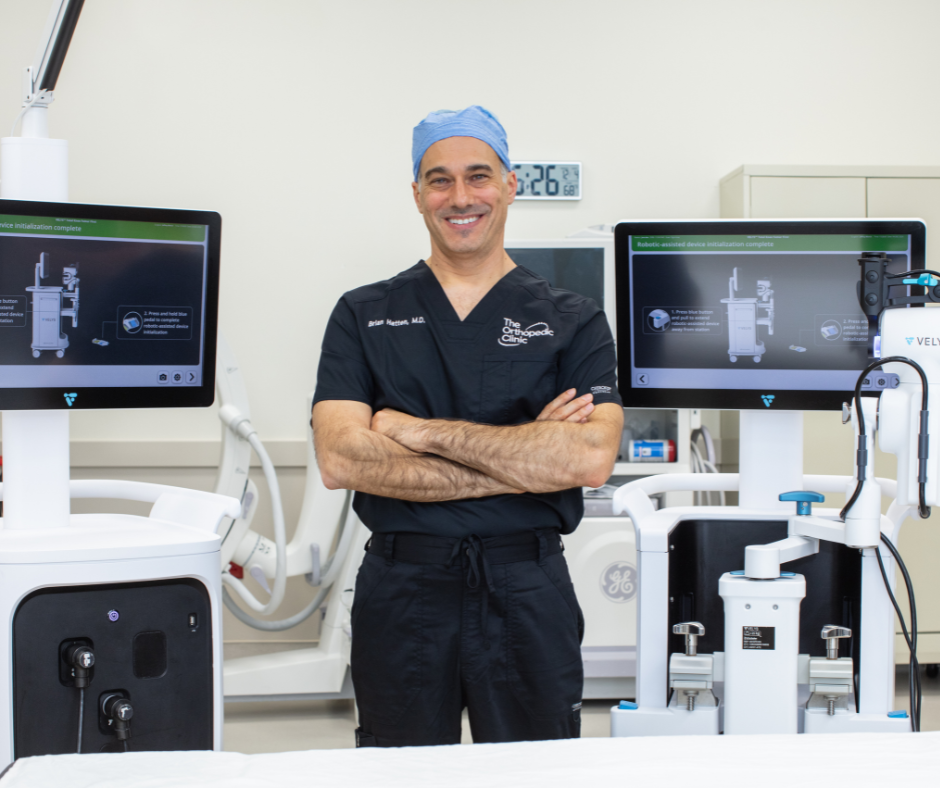
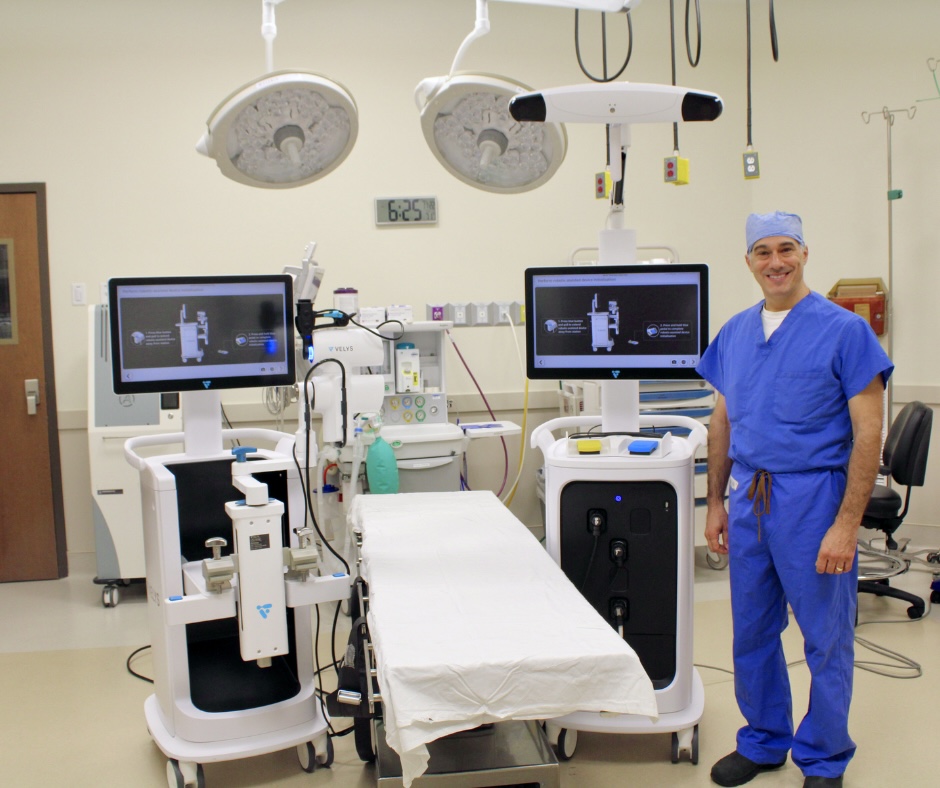
On March 4, 2026, I performed Halifax Health Medical Center of Daytona Beach's first total knee replacement using the VELYS Robotic-Assisted Solution. This milestone establishes Halifax Health as a VELYS robotic knee replacement center, expanding access to robotic-assisted orthopedic care for patients throughout Volusia and Flagler Counties. I also perform VELYS robotic-assisted knee replacements at The Orthopedic Clinic Surgery Center, which became the first ambulatory surgery center in central Florida to operate with two VELYS robotic systems.
Robotic-Assisted Technology: VELYS & Mako Systems
When combined with robotic-assisted technology, primarily using the VELYS system (though I'm also trained on other platforms including Mako), kinematic alignment allows me to deliver precision surgery that respects your body's natural biomechanics down to the millimeter.
Leading the Evolution of These Techniques
I adopted the subvastus approach and kinematic alignment after reviewing the evidence and seeing the results in my own practice. These aren't separate techniques I use selectively. They're fully integrated components of my surgical approach.
My surgical experience with these integrated techniques earned national recognition, leading to my selection as teaching faculty at the 2025 AAHKS National Conference. AAHKS represents the highest level of joint replacement expertise: fellowship-trained surgeons dedicated exclusively to hip and knee surgery. In a session sponsored by Johnson & Johnson MedTech, I taught a hands-on cadaver dissection demonstrating the subvastus approach and kinematic alignment using the VELYS robotic platform3.
I was also selected to serve on the Johnson & Johnson MedTech Kinematic Alignment Advisory Board in July 2024, joining a select group of surgeons providing guidance that directly shapes industry standards for kinematic alignment4. My role involves advising on both robotic and instrumented versions of these procedures, helping determine how this technique evolves and is taught nationwide.
Surgical Techniques: Subvastus Approach & Kinematic Alignment
Since 2024, I've performed every knee replacement using two complementary techniques that work together: the subvastus approach and kinematic alignment. This represents a fundamental change in how I approach the surgery.
The Subvastus Approach: A Legacy of Anatomical Stewardship
The subvastus approach represents a commitment to anatomical stewardship that dates back nearly a century. First described by German surgeon F. Erkes5 in 1929, the technique was designed to preserve the integrity of the quadriceps mechanism by accessing the joint from beneath the muscle rather than through it.
While traditional methods often split or detach these critical tissues, this "muscle-sparing" philosophy was refined for the modern era by Dr. Aaron Hofmann6, who reintroduced the "Southern" subvastus approach in 1991. Hofmann’s work proved that by leaving the extensor mechanism entirely intact, patients could achieve significantly faster strength recovery and reduced post-operative pain.
I have fully integrated this lineage into my practice, performing every knee replacement using the subvastus technique. By respecting the native anatomy as Erkes and Hofmann envisioned, I treat your quadriceps muscle as an essential asset to be protected, ensuring the most natural feel and function for your new knee.
So far, I have discussed the subvastus approach. However, there are several different surgical approach techniques10 to access the knee for a knee replacement. The most traditional is the
Instead, I choose the subvastus approach as it retains complete integrity of all the entire quadriceps muscle. I have also refined this technique to avoid undermining the skin, preventing the creation of skin flaps. This provides better health to the skin and promotes healing. Performing the subvastus approach on every patient is technically the most demanding of the approach techniques. I do find that about one third of the surgeries will take an extra couple minutes to make this technique fully successful. However, I feel that it is time well spent on the patient.
Kinematic Alignment: Personalizing Your Surgery
While the subvastus approach addresses how I access your knee, kinematic alignment determines how I position your implants. This is where my work becomes truly personalized. But, first let’s discuss the other alignment techniques7:
Traditional mechanical alignment takes a standardized approach: it creates a straight leg with components positioned to bring the mechanical axis (an imaginary line from hip to ankle) through the center of the knee, regardless of your natural anatomy. This method produces reproducible results but often requires selective ligament releases to achieve balance, and sometimes a completely natural ligament balance cannot be fully achieved.
Functional alignment focuses on achieving a well-balanced knee by assessing the ligament and the soft tissue envelope tension of the knee during surgery. This alignment method has become much more popularized with the increased use of robotic and navigated technologies. Rather than relying on fixed mechanical axes or pre-arthritic measurements, the surgeon evaluates ligament tension intraoperatively.
Kinematic alignment works by aligning the components so the knee moves around its original three-dimensional axes. By respecting your original joint line orientation and limb alignment, the ligaments remain naturally balanced without the need for releases. It restores your knee to its pre-arthritic anatomy, respecting your body's unique biomechanics.
In 2024, I developed my kinematic alignment philosophy in early 2024 by combining extensive research and numerous collaborations with colleagues and experts. Rooted in the pioneering research of Dr. Stephen Howell7, kinematic alignment3 allows me to resurface the knee to your unique, pre-arthritic anatomy. When combined with the VELYS robotic platform, this approach delivers precision surgery that respects your body’s natural biomechanics down to the millimeter.
The evidence supporting kinematic alignment has been growing substantially. An example is the 2025 meta-analysis by Boutros and colleagues, analyzing randomized controlled trials, found that kinematic alignment yields clinical outcomes at least equivalent to mechanical alignment, with statistically significant improvements in early function, joint awareness, and patient satisfaction, without increased risk of complications or revision.
Narcotic free surgery
My work in advanced pain management began years ago, when I helped develop the Enhanced Recovery After Surgery (E.R.A.S.) pathway at Halifax Health, a program that reduced both hospital stays and opioid use for joint replacement patients throughout the region. In June of 2026, I took that work to its next step, offering even more advanced pain control pathways for knee replacement surgery.
My patients are now provided recovery options that frequently control pain without opioid medications. This approach is especially significant for total knee replacement, which has traditionally been considered one of the more painful joint replacement procedures.
The key is combining all of my approaches to optimize each patient for a less painful recovery. I provide an individually aligned knee replacement to match each patient's own natural anatomy, with complete quadriceps preservation. They also receive a personalized medical regimen designed to reduce swelling, minimize bleeding, and quiet pain signals at the nerve level before they ever reach the brain. This includes newer non-opioid medications, such as Journavx, that block the nerve channels responsible for transmitting pain.
Targeted regional anesthesia completes the pathway. I routinely use adductor canal blocks and peri-articular blocks to control pain directly at the source while preserving the muscle strength needed to walk soon after surgery. By using this combination of modern surgical techniques, individualized medical management, and precise regional anesthesia, many patients recover comfortably while eliminating the need for opioid medications.
I also use the same philosophies, surgical techniques, and personalized medical management for all of my hip and shoulder replacement patients to provide them with a less painful recovery.
Building the Knowledge Foundation for Knee Replacement - Wikidata
When you search for information about knee replacement, your search goes beyond just finding a website. Search engines and AI assistants now build their answers from two layers: the open web that humans read, and the semantic web, a structured knowledge layer beneath the surface of the internet that machines read. This layer helps search engines understand the underlying architecture of a topic: how its concepts relate, what the evidence says, and which sources are authoritative. When this layer is incomplete for a medical topic, the answers patients receive are incomplete too.
In January 2026, I began addressing this gap in knee replacement data at one of its sources. Wikidata is the open knowledge base that feeds Google, Wikipedia, and many AI systems. As the foundational contributor of the Knee Replacement Ecosphere, I created a structured knowledge graph that gives the field of total knee arthroplasty formal representation on the semantic web.
The ecosphere includes a comprehensive surgical technique taxonomy covering three technique axes:
- Alignment techniques: kinematic, mechanical, functional, and inverse kinematic
- Surgical approach techniques: medial parapatellar, subvastus, midvastus, and lateral
- Guidance techniques: manual instrumented, patient specific instrumentation, computer assisted navigation, and robotic assisted
Supporting this structure are hundreds of peer-reviewed literature items, created or relationally linked within the ecosphere, documenting the evidence base for each technique. Alongside them are person items honoring the pioneers of the field.
The ecosphere extends beyond techniques to instruments and enabling technology, including an item for the VELYS robotic-assisted surgery platform. I have also added organizational items representing patient advocacy platforms (BoneSmart, Acetaminophen Awareness Coalition) and surgeon education communities (VuMedi, DocMatter).
I contribute as Wikidata user Orthodoc10, with full conflict-of-interest disclosure maintained on my public profile page in accordance with Wikidata community standards.I have written a teaching series on LinkedIn introducing structured data methods to fellow orthopedic surgeons, so that the medical community itself can help maintain the accuracy of what patients find online and express on the semantic web which techniques they practice.
The Ecosphere is registered as a dataset on my ORCID record, the international registry that permanently links researchers to their work, and is formally published as a citable dataset with a DOI: 10.5281/zenodo.21852663, registered with DataCite and indexed in OpenAIRE.
This work is an extension of the mission My Knee Guide has pursued since 2012: making sure that when patients look for answers about knee replacement, what they find is accurate, evidence-based, and trustworthy. My Knee Guide built that resource on the surface of the web. The Knee Replacement Ecosphere builds it into the foundation.
What You Can Expect When You're My Patient
When you come to my office with knee, hip, or shoulder pain, I'm not going to immediately schedule surgery. We're going to have a conversation about your quality of life, your goals, and your options.
We'll discuss conservative treatments first: activity modification, medications, injections, bracing, physical therapy. We'll look at your imaging together, and I'll show you exactly what's happening in your joint. I'll explain what the images mean in plain language, not medical jargon.
If you do need surgery, I'll explain the specific techniques I use and how they differ from other approaches. For knee replacement, that means discussing the subvastus approach and kinematic alignment. For hip replacement, the anterior approach. For shoulders, whether an arthroscopic repair or replacement makes sense. I'll answer your questions about recovery timelines and realistic expectations.
I'll also be honest about risk factors. If you have significant medical conditions, we'll discuss whether surgery is the right choice or if we should pursue other options.
Throughout this process, I'll encourage you to be an active participant in your care: asking questions, understanding your options, and taking the time you need.
Because ultimately, this is your body and your life. My job is to provide expertise, transparency, and partnership. Your job is to make the decision that's right for you.
My Practice Philosophy
Listen first. Your experience matters more than my assumptions. Before recommending anything, I need to understand your pain, your goals, and your concerns.
Explain everything. You deserve to understand the reasoning behind my recommendations, not just follow instructions. I use plain language because jargon doesn't help anyone.
Be honest. I'll tell you the truth about risks, realistic outcomes, and whether surgery is even the right choice. Reassurance without honesty isn't helpful.
Respect your autonomy. This is your body and your decision. I'll never pressure you into surgery or rush you toward a choice you're not ready to make. Take the time you need. I'm here when you're ready.
These principles guide every patient interaction, whether you're seeing me for a knee, a hip, or another orthopedic concern.
Credentials and Training
I graduated from Cornell University's College of Agriculture and Life Sciences as a Howard Hughes Medical Institute Scholar. At New York University School of Medicine, I graduated with honors in 1999 and was inducted into the Alpha Omega Alpha Medical Honor Society, the national medical honor society recognizing academic excellence and professionalism.
My orthopedic surgery residency at Jackson Memorial Hospital/University of Miami from 1999-2004 provided comprehensive training at one of the nation's premier Level I trauma centers. I joined The Orthopedic Clinic immediately after completing residency and have maintained continuous board certification since 2006.
I'm a Fellow of both the American Academy of Orthopaedic Surgeons (since March 2008) and the American Association of Hip and Knee Surgeons (since August 2016). I served as Chief of Orthopedic Surgery at Halifax Medical Center. Since 2025, I have served as Chief Medical Officer of The Orthopedic Clinic Surgery Center ( previously known as the East Coast Surgery Center ), where I have been a partner since its founding, collaboratively developing surgical protocols and clinical excellence standards with my orthopedic colleagues.
Beyond knee replacement, I bring the same precision and personalized approach to every joint I treat. I perform hip replacements using the anterior approach with VELYS Hip Navigation for precise component positioning. For shoulder conditions, I perform arthroscopic rotator cuff repairs and both anatomic and reverse total shoulder replacements, using CT-based planning for patient-specific surgical guides. My practice also includes other sports medicine procedures such as arthroscopic knee procedure, biceps tendon repairs, and tennis elbow repairs. I have also performed 20 years of Level II trauma call coverage at Halifax Medical Center, including the orthopedic surgical management of complex multi-trauma patients. Professional Credentials: For complete details about my credentials, affiliations, and professional background, visit my profile at The Orthopedic Clinic. I practice at The Orthopedic Clinic's locations in Daytona Beach, Port Orange, and Palm Coast, serving patients throughout Volusia and Flagler Counties. I've been with The Orthopedic Clinic since 2004. The Orthopedic Clinic - Daytona Beach (Primary Location) The Orthopedic Clinic - Port Orange The Orthopedic Clinic - Palm Coast I perform surgeries at AdventHealth Daytona Beach, Halifax Health Medical Center, and The Orthopedic Clinic Surgery Center. Since its creation, My Knee Guide has been independently cited, evaluated, or utilized in peer-reviewed medical research by institutions across four continents. These studies were conducted by researchers with no affiliation to My Knee Guide or Dr. Hatten. The platform has never solicited, funded, or influenced any of this research. Each citation below links directly to the published article. University of South Carolina & Northwestern University (2021) | Contemporary Clinical Trials Communications Researchers at the University of South Carolina and Northwestern University selected My Knee Guide to serve as the “standard of care” control group for an NIH-funded randomized controlled trial. The study, titled “Reducing sedentary time using an innovative mHealth intervention among patients with total knee replacement,” utilized the platform as the benchmark for evaluating new mobile health interventions. In the peer-reviewed protocol, My Knee Guide is characterized as a comprehensive digital platform specifically designed to facilitate pre- and post-operative education, as well as essential appointment tracking. All participants downloaded the MyKneeGuide® app during enrollment, underscoring the researchers’ confidence in the platform as the clinical baseline. By utilizing the app in this capacity within a federally funded study, the research underscores the platform’s reliability and its role as an established resource for patient care in the field of orthopedic surgery. Read the full study → | PubMed Bournemouth University, United Kingdom (2018) | Disability and Rehabilitation In their systematic review, Smartphone apps for total hip replacement and total knee replacement surgery patients: a systematic review, published in Disability and Rehabilitation, researchers at Bournemouth University’s Orthopaedic Research Institute conducted the most comprehensive quality assessment of smartphone applications designed for hip and knee replacement patients. Three independent reviewers screened 2,613 applications across five major app stores and identified fifteen that met inclusion criteria. Each app was evaluated using the Mobile App Rating Scale (MARS), a validated 19-item instrument that measures engagement, functionality, aesthetics, and information quality. My Knee Guide achieved the highest overall MARS quality score of any evaluated app (4.23 out of 5.0, compared to the field mean of 3.10), ranking first of fifteen. The platform earned the highest engagement score (4.80 vs. mean 2.81) and led all four subscales, including functionality (4.25 vs. mean 3.78), aesthetics (4.00 vs. mean 3.06), and information quality (3.86 vs. mean 2.75). The inter-rater reliability among reviewers was exceptionally high (ICC = 0.981), confirming the objectivity of the evaluation. This independent, peer-reviewed ranking validates My Knee Guide as the highest-quality patient education app in the field of joint replacement surgery. Read the full study → | Full Text PDF | PubMed Bournemouth University, United Kingdom (2020) | Journal of Patient Experience In a companion systematic review, Readability of Information on Smartphone Apps for Total Hip Replacement and Total Knee Replacement Surgery Patients, published by the Orthopaedic Research Institute at Bournemouth University, the same research team evaluated the same fifteen smartphone applications — this time focusing on how accessible the medical information is to patients. The study utilized three validated readability metrics — the Gunning Fog Index, the Flesch Reading Ease Score, and the Flesch-Kincaid Grade Level — to audit the literacy demands of each platform. The study found that nearly all orthopedic apps in the category, including My Knee Guide, provide information at a reading level above the recommended sixth-grade threshold. The authors emphasized the need for app developers to engage patients in the design process to improve readability and enhance the patient experience. Together with the quality assessment above, these two independent studies from the same research institute provide a comprehensive, peer-reviewed evaluation of My Knee Guide across both quality and readability dimensions. Read the full study → | PubMed UC San Diego, Harbor-UCLA Medical Center & University of Washington (2015) | Orthopedic Research and Reviews Faculty at three major academic medical centers conducted a comprehensive evaluation of mobile applications in their study, Mobile apps for orthopedic surgeons: how useful are they?, published in Orthopedic Research and Reviews. The study evaluated 170 orthopedic applications and selected just 39 for inclusion — a highly selective curation process. The authors, affiliated with UC San Diego, Harbor-UCLA Medical Center, and the University of Washington, personally vetted each platform for clinical value and reliability. My Knee Guide was designated a “Top” resource, a distinction reserved for digital tools that demonstrate exceptional quality for patient education. In the accompanying clinical review, co-author Dr. John Andrawis, an orthopedic surgeon at Harbor-UCLA, wrote that he was “extremely impressed with how this app personalizes the experience of knee replacement surgery to the patient,” specifically highlighting the platform’s day-by-day surgery guide and creative use of real-world patient stories. “This is an app I plan to use with my patients to help them learn more about total knee replacement.” University Hospital Galway, Ireland & Fiona Stanley Hospital, Australia (2019) | F1000Research An international research team from Ireland and Australia published Anaesthesia for total hip and knee replacement: A review of patient education materials available online in F1000Research, a study that reviewed the quality and readability of online patient education materials available to patients preparing for hip and knee replacement surgery, including information related to anaesthesia. The researchers evaluated thirty-two global websites using validated tools, including the DISCERN instrument, readability indices, and quality certification standards, to measure information quality and patient readability. My Knee Guide was among the select group of platforms evaluated by the researchers. Notably, the study identified My Knee Guide as one of only eight websites (25%) maintaining HONcode certification, an international benchmark for providing trustworthy, ethical, and transparent health information. By including the platform in this peer-reviewed evaluation and noting its quality certification, the study validates My Knee Guide as a significant resource in the international orthopedic landscape that adheres to established transparency standards for ethical health reporting. Read the full study → | PubMed Kerlan-Jobe Orthopaedic Clinic, Los Angeles (2017) | American Journal of Sports Medicine Clinicians at the world-renowned Kerlan-Jobe Orthopaedic Clinic in Los Angeles included My Knee Guide as a featured resource in their clinical guidance for patients returning to athletic activity. The study, titled “Return to Golfing Activity After Joint Arthroplasty,” was authored by leading physicians affiliated with the Keck School of Medicine at the University of Southern California who specialize in treating elite athletes. The researchers performed a systematic review of the medical literature alongside a web-based search evaluating clinical practice recommendations, identifying My Knee Guide as a specific, evidence-based platform to help surgeons and physical therapists counsel patients on the biomechanics and timing of returning to golf following surgery. By recommending the platform within the premier journal for sports medicine, the authors validate My Knee Guide as a high-level educational tool capable of supporting the specialized needs of active patients. Read the full study → | PubMed Paracelsus Medical University, Austria & Bielefeld University, Germany (2020) | BMC Musculoskeletal Disorders Researchers at the Paracelsus Medical University in Salzburg, Austria, and Bielefeld University in Germany utilized My Knee Guide as foundational background literature for their study, RECOVER-E: a mobile app for patients undergoing total knee or hip replacement: study protocol, published in BMC Musculoskeletal Disorders. This clinical research focused on developing and evaluating an evidence-based mobile application for patients undergoing hip or knee replacement across four German hospitals. By citing My Knee Guide in the study’s background as a representative resource for existing patient education platforms, the international research team acknowledged the platform’s role in providing structured, patient-facing information. The inclusion of My Knee Guide in this multi-center study design demonstrates its utility as a peer-referenced tool for clinicians developing modern, evidence-based recovery protocols for joint replacement patients. Read the full study → | PubMed All India Institute of Medical Sciences (AIIMS), Rishikesh, India (2021) | International Orthopaedics Faculty at the All India Institute of Medical Sciences (AIIMS) in Rishikesh, India, included My Knee Guide in their study, Online educational resources for orthopaedic residency: a narrative review, published in International Orthopaedics. The review curated a highly selective compendium of the most valuable online educational tools available in the field — spanning 16 websites, 39 smartphone apps, 9 podcasts, and 11 YouTube channels. The corresponding author, a senior faculty member with years of teaching experience in postgraduate and fellowship training programs, personally selected the final list. My Knee Guide was featured among the 39 curated apps as a premier patient education platform for total knee replacement. By being featured in this international peer-reviewed compendium, the platform is validated as a globally relevant tool that meets the rigorous standards of academic faculty across diverse healthcare systems. Read the full study → | PubMed Healthify He Puna Waiora — New Zealand Health App Library (2024) A licensed physiotherapist conducted a structured clinical review of My Knee Guide as part of the New Zealand Health App Library, an independent app evaluation service operated by the Health Navigator Charitable Trust and supported by Health New Zealand – Te Whatu Ora, the country's national healthcare system. The review process was developed in partnership with ORCHA (Organisation for the Review of Care and Health Apps), the global leader in digital health app assessment and accreditation, whose frameworks are used across twelve countries including within 70% of NHS sites in England. The reviewing platform, Healthify He Puna Waiora, is itself endorsed by the Royal New Zealand College of General Practitioners (RNZCGP), which represents approximately 90% of all general practitioners in New Zealand. Following a structured evaluation of clinical utility, educational content quality, and patient safety, the reviewer awarded My Knee Guide a four-star rating and described it as "a comprehensive app for knee surgery patients" that "creates a portal for patients to gain oversight into the process of all facets of their knee surgical journey." The reviewer specifically noted the platform's value as a personalized educational resource hub offering tools to navigate pre-operative, post-operative, and rehabilitation phases. Although the app was developed for a US audience, the review affirmed its relevance to New Zealand patients as an educational tool. This independent, clinician-conducted evaluation within a government-supported health infrastructure validates My Knee Guide's utility and quality for an international patient population. Read the full clinical review → | About the NZ Health App Library → University of La Rioja, Spain (2018) | International Journal on Interactive Design and Manufacturing Researchers in the Mechanical Engineering Department at the University of La Rioja in Logroño, Spain, cited My Knee Guide as a reference source in their original research paper, The process of designing a rotating platform artificial knee prosthesis with posterior stabilizers by finite element analysis, published in the International Journal on Interactive Design and Manufacturing. The study applied reverse engineering, 3D scanning, and the finite element method to design a rotating platform knee prosthesis with posterior stabilizers, then compared stresses on the cortical and trabecular bone of both a healthy knee model and the artificial prosthesis model. In their discussion of knee implant types, the authors cited My Knee Guide among their authoritative references for the framework that classifies knee replacement components by how the polyethylene insert attaches to the underlying tibial component, distinguishing fixed bearing designs from rotating platform designs. By drawing on the platform in a peer-reviewed biomechanical engineering study, the research extends My Knee Guide's role beyond clinical and patient education contexts into the engineering literature that informs how next-generation knee implants are designed and evaluated. Hogrefe AG, Switzerland (2019) | Schmerz und Schmerzmanagement In his clinical review of smartphone applications for postoperative pain management following knee and hip arthroplasty, Smartphone-Apps im postoperativen Schmerzmanagement bei Knie- und Hüftendoprothese: Eine Übersicht des gegenwärtigen Angebots, author David Bruns cited My Knee Guide in his survey of mobile health tools available to joint replacement patients. The review, published in the Hogrefe journal Schmerz und Schmerzmanagement (Pain and Pain Management), examined how mobile apps support preoperative education, postoperative pain assessment, and patient self-management in the days before and after surgery. Bruns cited My Knee Guide in his discussion of how apps provide perioperative pain management information to patients undergoing knee arthroplasty, referencing the platform's coverage of standard clinical approaches to postoperative analgesia. By featuring the platform in a peer-reviewed German-language clinical review, the article extends My Knee Guide's recognition into the German-speaking medical community as a reference resource for orthopedic patient education. University of Liège, Belgium (2021). Master's thesis, School of Engineering and Computer Science This master's thesis by Laurence Rapallo, conducted in collaboration with Université Libre de Bruxelles and the Italian orthopedic company Adler Ortho, cites My Knee Guide three times as a foundational reference within its background chapter on total knee arthroplasty. The thesis draws on My Knee Guide's explanation of the four components that make up a knee prosthesis, its description of cruciate retaining knee designs and how they preserve the posterior cruciate ligament, and its discussion of posterior stabilized knee designs and the post cam mechanism that replaces the cruciate ligaments. My Knee Guide is referenced alongside the American Academy of Orthopaedic Surgeons and a New England Journal of Medicine article on minimally invasive total knee arthroplasty, placing the site among the core educational sources the author selected to establish foundational concepts for her engineering analysis. The thesis itself, analysis of different levels of constraint in a total knee arthroplasty: a finite element study, used finite element modeling to confirm that a mobile bearing cruciate retaining prosthesis was the optimal implant choice for the specific patient studied.
Practice Locations and Contact
1865 LPGA Blvd
Daytona Beach, FL 32117
Phone: (386) 255-4596
Fax: (386) 258-3561
1165 Dunlawton Ave, Suite 102
Port Orange, FL 32127
Phone: (386) 255-4596
17 Old Kings Road N., Suite K
Palm Coast, FL 32137
Phone: (386) 255-4596My Knee Guide in the Literature
1. NIH-Funded Randomized Controlled Trial
2. Systematic Review of Smartphone App Quality — #1 Ranked
3. Systematic Review of Smartphone App Readability
4. Peer-Endorsed Digital Health Curation
— Dr. John Andrawis, Orthopedic Surgeon, Harbor-UCLA Medical Center
5. Systematic Review of Website Quality and Readability
6. Clinical Guidance for Return to Athletic Activity
7. Foundational Literature for Post-Operative Rehabilitation
8. Global Compendium of Online Orthopedic Resources
9. Government-Endorsed Clinical Review
10. Reference Source in Biomechanical Engineering Research
11. Clinical Review of Postoperative Pain Management Apps
12. Finite Element Analysis Validating Mobile Bearing Cruciate Retaining Prosthesis Choice
In the News
Halifax Health's First VELYS Robotic-Assisted Knee Replacement
Halifax Health (March 4, 2026)
Halifax Health announced that Dr. Brian R. Hatten of The Orthopedic Clinic performed the hospital's first total knee replacement using the Johnson & Johnson VELYS Robotic-Assisted Solution. The VELYS system uses advanced technologies to provide the surgeon with the information and tools needed to perform accurate and precise knee replacement surgery personalized to the patient's specific anatomy.
Trade Publication Coverage
Becker's Spine Review (March 4, 2026)
Becker's Spine Review, a national healthcare trade publication, reported on Halifax Health Medical Center of Daytona Beach completing its first robotic-assisted total knee replacement using the VELYS system, performed by Dr. Brian R. Hatten.
The Orthopedic Clinic Press Release
The Orthopedic Clinic (March 11, 2026) | Distributed nationally via EIN Presswire
The Orthopedic Clinic announced that Dr. Brian R. Hatten performed the first total knee replacement using the VELYS Robotic-Assisted Solution at Halifax Health Medical Center of Daytona Beach. The release highlights Dr. Hatten's role on the J&J MedTech Kinematic Alignment Advisory Board, his national teaching of robotic-assisted techniques, and notes that The Orthopedic Clinic operates the only ambulatory surgery center in Florida with two VELYS robotic systems.
Industry Relationships and Transparency
I receive compensation for my advisory role with Johnson & Johnson MedTech and for my teaching activities, including education on surgical techniques using the VELYS Robotic-Assisted Solution. I encourage patients to ask about these relationships and welcome second opinions.
My work with BoneSmart12 was entirely voluntary and uncompensated. From 2012 to 2016, I served as a volunteer staff member under the username "Orthodoc," contributing 648 posts to help patients navigate knee and hip replacement decisions. BoneSmart is the patient education platform of the Foundation for the Advancement in Research in Medicine13 (FARM), a registered 501(c)(3) nonprofit organization. I received no financial compensation, consulting fees, equity, or any other form of payment for my participation. My Knee Guide has likewise never received funding from FARM, BoneSmart, or any external organization. Both My Knee Guide and my BoneSmart contributions were self-funded commitments to patient education, independent of any commercial or industry relationship.
Note: VELYS is manufactured by DePuy Synthes, the orthopedics company of Johnson & Johnson. In September 2024, Johnson & Johnson consolidated its medical technology brands under the name Johnson & Johnson MedTech. In October 2025, Johnson & Johnson announced its intent to spin off DePuy Synthes as an independent company, with the separation expected to complete in 2027. References to "Johnson & Johnson MedTech" and "DePuy Synthes" in this article refer to the same orthopedics division and product line. My advisory and teaching roles are expected to continue through this transition.